Black Currants, Red Currants and Gooseberry Plants
Plants are available in the months of April, May, Early June, September, October and Early November
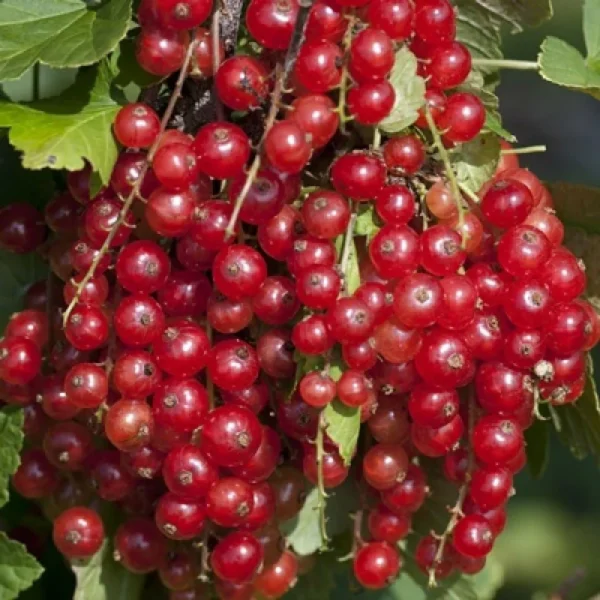
Red Currant-Rovada
Price range: $12.00 through $35.00 HST
The Rovada red currant is a highly productive, cold-hardy shrub known for its exceptionally long clusters of large, tart, bright red berries.
Key Characteristics
- Fruit: Long, drooping clusters (racemes) of glossy, translucent red berries, tart but flavorful.
- Yield: High-yielding with heavy, easy-to-pick crops.
- Ripening: Late-season (late July/early August), allowing it to escape early frosts and stay on the bush longer.
- Plant: Compact, deciduous shrub growing 3-5 feet tall, with aromatic leaves when crushed.
- Hardiness: Very cold-hardy (Zone 3), tolerates full sun to partial shade.
- Disease Resistance: Good resistance to powdery mildew and rust.
- Pollination: Self-fertile, meaning one plant can produce fruit.
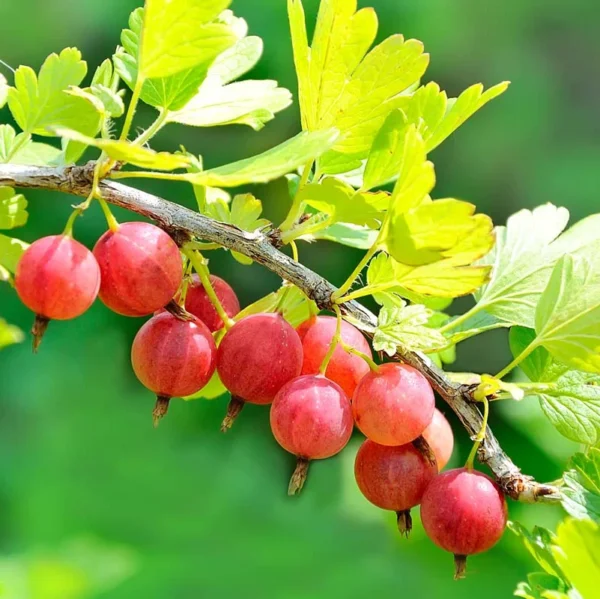
Gooseberry-Hinnomaki Red
Price range: $12.00 through $35.00 HST
Hinnomaki Red is a popular, cold-hardy gooseberry variety originally bred in Finland for its exceptional flavor and disease resistance
Key Characteristics
- Flavor Profile: It features a unique “sweet and tart” combination; the outer skin is tangy, while the inner flesh is juicy and sweet.
- Fruit Appearance: It produces medium-to-large, ruby-red berries that ripen in mid-summer (typically July).
- Plant Habit: A compact, upright shrub reaching 3–5 feet in height and spread.
- It is noted for having thorns, though some growers find it easier to harvest than other
- Disease Resistance: Highly resistant to powdery mildew, making it an excellent choice for organic gardeners.
- Hardiness: Extremely cold-tolerant, suitable for USDA Zones 3–7.
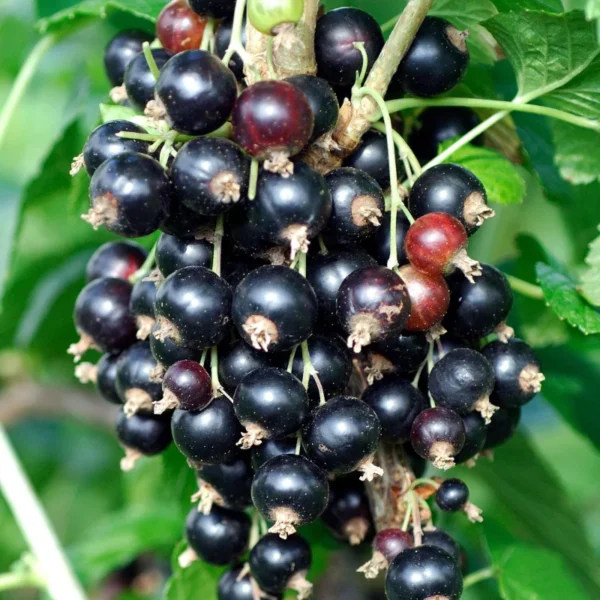
Black Currant-Titania
Price range: $12.00 through $35.00 HST
Titania black currant is a popular, vigorous, and highly productive shrub variety known for its large, juicy, flavourful berries and strong disease resistance, particularly to white pine blister rust and powdery mildew.
Key Characteristics
- Fruit Traits: Produces large, jet-black, juicy berries with a rich, sweet-sour, and mildly musky flavour. The fruit is versatile and excellent for fresh eating, juices, jams, pies, and cordials, and is very rich in vitamin C and antioxidants.
- Harvest: It is a mid-season variety, with berries typically ripening from mid to late July. The fruit tends to ripen simultaneously, which is convenient for harvesting.
- Plant Size: A vigorous and upright shrub that reaches a mature height of approximately 1.5 to 1.8 meters (5 to 6 feet).
- Hardiness: Hardy, typically suited for Canadian Hardiness zones 3-7.
- Pollination: It is a self-fertile variety, meaning it will produce fruit without another black currant variety nearby.
However, planting a compatible variety nearby can significantly increase yields. - Disease Resistance: A key advantage of ‘Titania’ is its resistance to common black currant ailments, including white pine blister rust and powdery mildew.